OKC Precision Retaining Walls: Functional beauty for Oklahoma landscapes
Wiki Article
Secret Factors To Consider for Building Efficient Retaining Walls in Your Lawn
When you're thinking about developing a retaining wall in your lawn, it's essential to believe about numerous crucial factors. The wall's objective, the materials you'll use, and the particular soil conditions can all impact its performance and longevity.Understanding the Objective of Your Retaining Wall
When you assume regarding constructing a preserving wall surface, consider its primary objective: supporting dirt and preventing disintegration. Retaining walls offer essential assistance for sloped landscapes, aiding to preserve soil honesty. You'll locate they're important in areas where water drainage may otherwise remove dirt, bring about costly repairs and landscape damages.By keeping back earth, these walls create level surface areas for yards, patio areas, or pathways. This not just improves your yard's aesthetic appeals but likewise advertises better drain, decreasing water pooling in unwanted locations. If you're handling high slopes, a sound retaining wall surface can avoid landslides, making certain safety for you and your residential or commercial property.
Ultimately, recognizing the objective of your retaining wall surface will assist your design decisions and help you create a useful, resilient framework that satisfies your requirements. So, take a moment to review your landscape; it'll pay off in the future.
Choosing the Right Products
When choosing materials for your retaining wall surface, you'll intend to take into consideration durability, aesthetics, and cost. Each variable plays a crucial role in ensuring your wall stands the test of time while looking fantastic and fitting your budget. Allow's explore how to make the most effective selections for your project.Material Longevity Aspects
Choosing the best products is vital for the long life and efficiency of your retaining wall surface, given that their resilience straight impacts the wall surface's capacity to endure environmental anxieties. Beginning by considering your local environment; products like concrete and stone withstand wetness and temperature changes well. If you stay in an area vulnerable to hefty rainfalls, choose products with excellent drainage properties, like gravel or permeable blocks, to stop water buildup.Additionally, think of the dirt problems on your home. Some products execute much better in specific soil types, so it is necessary to match them appropriately. Be aware of prospective wear from bugs or erosion. Selecting sturdy products warranties your retaining wall surface stands solid, shielding your backyard for years ahead.
Aesthetic Style Choices
Sturdy materials not only ensure your retaining wall's structural honesty but also play a key duty in its visual allure. When selecting the right materials, believe regarding just how they complement your landscape. All-natural rock offers a timeless, rustic look, while concrete blocks can supply a sleek, contemporary surface. You could additionally think about making use of timber for a warm, natural feel. Shade and appearance issue, also; pick shades that integrate with your home and garden. Don't forget the wall's shape-- rounded walls can produce a softer look, while straight lines can really feel extra structured. By very carefully selecting products that line up with your aesthetic vision, you'll enhance your exterior room while guaranteeing your wall stands solid against the elements.Cost-Effectiveness Evaluation
Choosing the ideal materials for your retaining wall surface isn't simply concerning aesthetic appeals; it's also crucial for your budget. When picking products, take into consideration both in advance expenses and long-lasting durability.Do not forget to element in upkeep expenses. Some products, like natural stone, can add appeal and call for less upkeep, while others could need routine treatments
Eventually, consider the pros and disadvantages of each choice against your budget plan and the wall surface's designated objective. Spending wisely in materials currently can prevent expensive problems later on. Pick materials that stabilize cost and efficiency properly.
Analyzing Dirt Problems and Drain
As you start your task, evaluating soil conditions and drainage is vital for the success of your retaining wall surface. Sandy soil drains well but does not have security, while clay soil can retain wetness, leading to push on your wall.Following, examine the slope of your yard. If water normally streams towards your wall, you'll need to execute a water drainage service to stop disintegration and stress build-up. Take into consideration mounting perforated pipes or crushed rock look at this website backfill behind the wall to promote drainage.
Last but not least, observe any nearby trees or plants; their origins can influence dirt security. By understanding your dirt problems and applying proper drain, you'll produce a solid structure for your retaining wall that stands the test of time.
Complying With Local Building Regulations
Prior to you start building your retaining wall, you need to study local regulations to assure conformity. It's important to recognize what allows you have to get, as this can save you from pricey penalties or needing to remodel your work. Taking these steps seriously will help you construct a safe and efficient framework.Research Local Regulations
Comprehending local guidelines is vital when preparing your retaining wall job, particularly because constructing codes can vary significantly by location. Beginning by consulting your neighborhood structure division or community to discover regarding specific requirements. Try to find guidelines on wall surface elevation, products, water drainage systems, and architectural integrity. Several locations have constraints on the kinds of products you can make use of and just how high you can build. You'll additionally intend to think about the zoning legislations that could impact your project. Disregarding these guidelines can cause costly penalties or the need to renovate your work. By doing your research study upfront, you can guarantee your retaining wall surface fulfills all required codes and blends effortlessly into your yard.
Obtain Necessary Authorizations
As soon as you've investigated local policies, the following action is to get the needed permits for your retaining wall task. This process warranties your wall surface follows building regulations and safety standards. Connect to your local building authority to discover what allows you need. They might require certain plans or engineering evaluations, particularly for larger walls. Be prepared to submit thorough illustrations, including measurements and materials. Don't fail to remember to inspect if your task impacts drain or bordering buildings, as these elements could require added licenses. Securing the best authorizations can save you from expensive fines or needing to dismantle your wall later on. Bear in mind, adhering to the policies now will certainly cause a smoother building experience.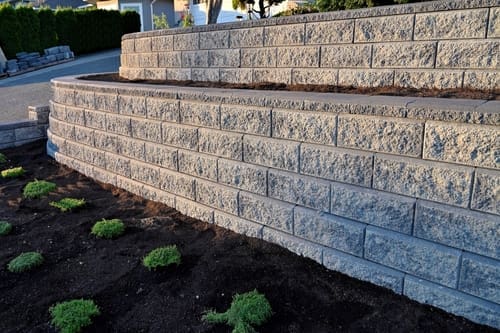
Planning the Layout and Looks
As you commence preparing the style and looks of your retaining wall, consider how it will balance with the surrounding landscape. Consider the products you'll make use of-- stone, brick, or concrete-- and exactly how they'll complement your home's design and the all-natural elements in your yard. Pick colors and textures that blend perfectly with existing features like outdoor patios, paths, or gardens.Next, imagine the wall surface's shape and height. Curved walls can soften a stiff landscape, while straight lines might share an extra modern-day look. Do not fail to remember to include plants and greenery around the wall for an all-natural touch; this can boost its allure and integrate it right into the environment.
Last but visit here not least, remember capability. Your style needs to not only be aesthetically pleasing yet likewise offer its function effectively. By thoughtfully intending these elements, you'll produce a retaining wall surface that enhances your lawn's elegance while fulfilling its architectural duty.
Calculating Elevation and Density Requirements
To construct a sturdy retaining wall, you require to properly calculate its height and thickness needs based upon sites the soil conditions and the height of the incline it will certainly support. Start by examining the incline's angle and the sort of soil, as different dirts apply differing amounts of pressure.For walls over four feet high, take into consideration a density of at the very least 12 inches. If the wall surface is taller, raise the thickness proportionally to maintain stability.
Next, determine the elevation of the wall surface by determining the upright distance it requires to retain. For every single foot of height, you ought to typically prepare for a thickness of one-third of the wall's elevation.
Constantly keep in mind to make up added variables like drain and backfill, which can affect your wall's style. Appropriate computations now ensure your retaining wall stands strong and lasts for many years ahead.
Upkeep and Durability Factors To Consider
While preserving your retaining wall may seem like a low priority, ignoring it can bring about substantial problems gradually. Regular inspections are vital; look for cracks, protrudes, or any indications of water damage. Resolving these troubles early can conserve you from expensive repairs later on.Maintain an eye on drainage systems, too. Obstructed drains pipes can cause water to build up, applying stress on your wall and compromising its security. Clear particles and warranty proper flow to keep long life.
You might also desire to reflect on sealing your wall to secure it from wetness and weathering. Depending on the product, this may call for reapplication every few years.
Lastly, landscape design around your wall surface can support its honesty. Prevent growing large trees close by, as their roots can threaten the structure. With proactive upkeep, your retaining wall can offer you well for many years to come.

Often Asked Questions
Can I Construct a Retaining Wall by Myself, or Should I Employ a Specialist?
You can certainly construct a retaining wall on your own if you have the right tools and understanding. Hiring a specialist guarantees it's done properly, particularly for larger or even more complicated frameworks. Consider your skill degree before making a decision.What Are one of the most Common Errors Made When Structure Retaining Walls?
When constructing retaining walls, you could overlook proper drain, avoid utilizing the appropriate products, or overlook support. These typical blunders can bring about architectural failing, so take your time and strategy carefully to avoid issues.Just how Do I Know if My Retaining Wall Demands Support?
You'll know your retaining wall needs support if you discover fractures, leaning, or bulging. Check for water pooling behind it or soil disintegration near the base. Address these indicators immediately to avoid further damages.What Plant kingdom Appropriate for Landscaping Around a Retaining Wall?
When landscaping around a retaining wall, consider using low-maintenance plants like succulents, ornamental yards, or slipping ground covers - OKC Precision Retaining Walls. They'll grow in those problems and include elegance while avoiding dirt erosion around your wallExactly How Can I Protect Against Disintegration Around My Retaining Wall?
To avoid erosion around your retaining wall surface, you can plant ground cover, use compost, and set up drain systems. On a regular basis examine for water accumulation and adjust landscaping to redirect drainage away from the wall.Report this wiki page